
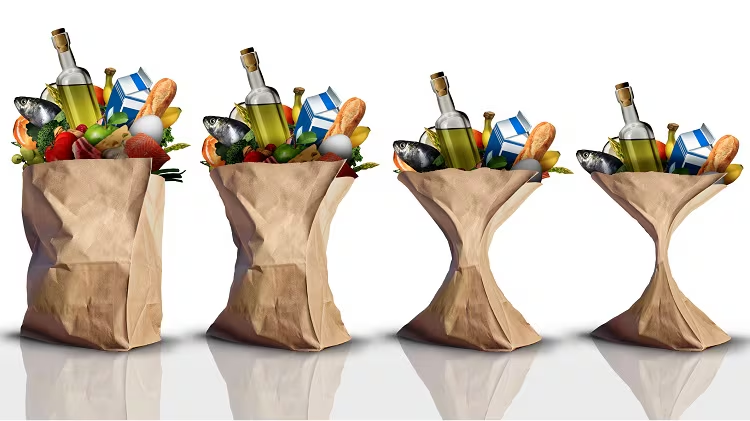
Brands have always walked a fine line between profit margins and consumer loyalty. But today, many are stumbling—and it’s costing them. Consumers are catching on to the latest pricing tactic, known as “shrinkflation,” where companies subtly reduce product sizes while maintaining or raising prices. And instead of quietly accepting it, shoppers are pushing back—with their wallets.
When Less Becomes Too Much
Whether it’s fewer chips in the bag, less cereal in the box, or smaller bars of soap, consumers are noticing that their favorite name brands aren’t what they used to be. The volume is shrinking, the price is rising, and the trust is eroding.
This tactic isn’t new, but what is new is the increasing savvy of consumers. Social media and price-comparison tools have empowered shoppers to spot these changes in real time. TikTokers are unboxing shrunken products. Reddit users are creating side-by-side comparisons. And it’s having a real impact on purchase behavior.
The Rise of Private Labels
As shoppers seek better value, private labels—store brands once viewed as low-tier—are reaping the benefits. Supermarkets and big-box retailers have invested heavily in improving the quality and packaging of their own brands. In many cases, these products are made by the same manufacturers as the national brands.
Now that the price gap has widened due to shrinkflation, consumers are finding that private labels often offer similar (or better) quality at a noticeably lower price. And once they make the switch, many don’t go back.
According to recent retail sales data, private label brands are gaining a significant market share across categories such as packaged foods, household goods, and personal care items. Inflation has prompted consumers to try new things, and shrinking product sizes have pushed them even further.
The Long-Term Cost of Short-Term Gains
For brands, the short-term boost in profit margins from shrinkflation may seem like a win. But it’s a dangerous game. Once a loyal customer feels deceived or overcharged, it’s hard to earn them back.
Trust is one of the most valuable brand assets, and right now, it’s being squandered in the pursuit of margin. In an era when transparency, value, and fairness matter more than ever, consumers are rewarding the brands that don’t insult their intelligence.
What Should Brands Do Instead?
If brands want to maintain customer loyalty in a high-inflation environment, they need to rethink their strategy for quiet shrinkage. Consider these alternatives:
- Be transparent about pricing pressures and offer clear value.
- Innovate to offer smaller sizes at proportionally lower prices, rather than sneaky reductions.
- Invest in brand experience—make the product feel premium, even if it costs more.
- Create loyalty programs or bundles to retain long-term customers.
Because here’s the truth: when consumers feel ripped off, they don’t just stop buying—they start talking. And in a connected world, that backlash spreads fast.
Shrinkflation may boost short-term profits, but it ultimately hurts brand equity in the long run. Consumers are noticing—and acting. As they increasingly shift to private labels, national brands need to ask themselves: is shrinking the product worth shrinking the loyalty?
Discover more from New Media and Marketing
Subscribe to get the latest posts sent to your email.


